Introduction
As someone who enjoys both software development and personal growth, I was drawn to the parallels between the Agile values and personal development principles. This led me to create the Agile Personal Development series, in which we explore how the Agile principles can be interpreted for personal development.
For those who do not know it, Agile software development is an iterative and flexible approach to developing software. The Agile Manifesto is a guiding set of principles, written in 2001, with the goal of establishing a set of values and principles that would guide software development teams in delivering better outcomes.
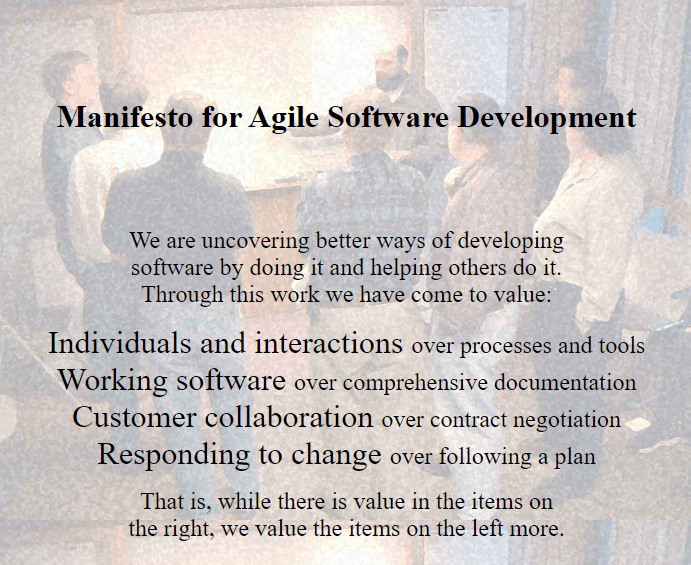
While the specific terms in the manifesto are software-centric, they can be translated into principles for personal development. An Agile mindset can provide a useful framework for personal development. As in Agile software development, the focus is on delivering value, in this case, to yourself, through iterative growth and learning.
Individuals and Interactions – A closer look
The first line in the Agile manifesto states: “Individuals and interactions over processes and tools”. It emphasizes the crucial role of individuals and their collaboration in determining the success of a software project. It prioritizes fostering a supportive and collaborative environment, where individuals can interact effectively and work together to achieve their goals. This focus on collaboration holds immense value, not just in software development but also in personal development. For which we can rephrase “individuals and interactions” as “personal connections and communication”.
Importance of personal connections
As humans, we are social creatures. We thrive on connection, cooperation and community. Our relationships can serve as sources of support, understanding and shared joy. Helping us feel connected and understood. But beyond this, our relationships can also foster our growth and development. They challenge us, make us more resilient, and broaden our understanding of the world. By prioritizing personal connections, we are making a conscious choice to invest in relationships that will enhance our life experience and enrich our personal growth journey. This involves cultivating existing relationships or reaching out to form new connections.
The power of effective communication
Communication, like personal connections, plays a vital role in our growth and development. It is more than just talking or sending a text. It involves expressing ourselves clearly, listening actively, understanding other perspectives and responding effectively. In our personal and professional lives, effective communication helps us build strong relationships, work more efficiently and resolve conflicts more effectively. It is a skill that we can continually improve upon and that will always serve us well in our personal development journey. Prioritizing communication means actively working to improve these skills.
Leveraging personal connections and communication for growth
So, how can we leverage these elements for our personal growth? It starts with awareness, recognizing the value that strong personal connections and effective communication bring to our lives. From there, it is about investing time and energy in these areas. Nurturing relationships with loved ones, seeking out new connections, improving our communication skills – these are all actions that contribute to our personal growth.
Just as an Agile software team is more than the sum of its parts, so too are we as individuals more than the sum of our experiences and achievements. It is our connections and interactions with others that truly define us and our growth.
By redefining the Agile Manifesto’s principle of “individuals and interactions” as “personal connections and communication”, we can open the door to a richer, more connected personal development journey.
I will explore the second Agile principle – actionable strategies that bring real improvement – in my next blog post. Stay tuned!